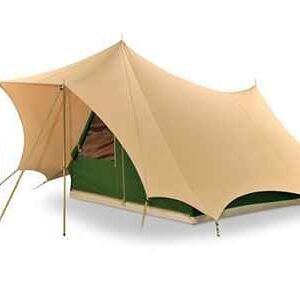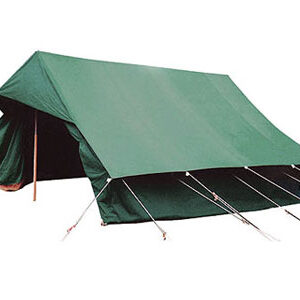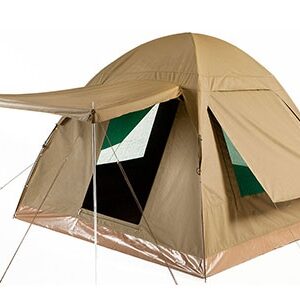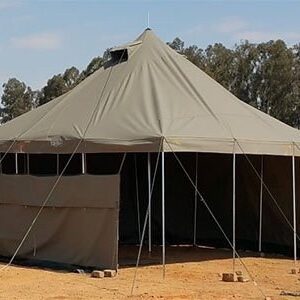
High-Performance Shelter Built for Harsh Conditions
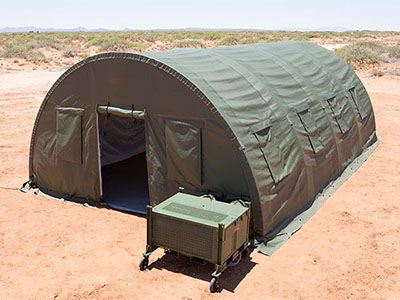
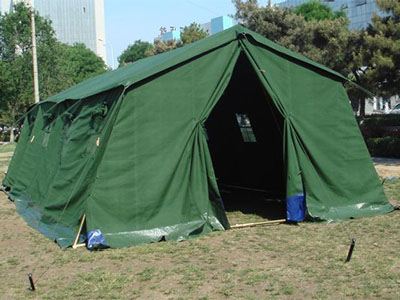
One of the main reasons military tents are in high demand is their ability to withstand challenging environments. These tents are manufactured with heavy-duty canvas or PVC materials that are waterproof, UV-resistant, and fire-retardant. Their robust steel or aluminum frames ensure the tent remains stable even in strong winds, heavy rainfall, and extreme temperatures. For military operations, durability is essential because soldiers often rely on tents as their only form of shelter on the field. For non-military buyers, this same performance guarantees long-term value and reduced maintenance costs.
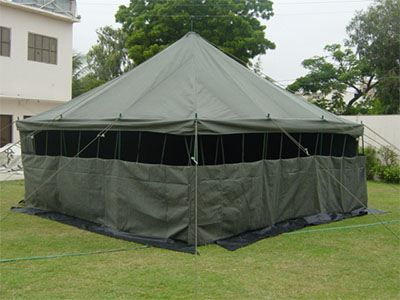
Military tents can accommodate various usage needs, including temporary sleeping quarters, command centers, field offices, kitchens, and medical units. Most tents come with ventilation windows, reinforced doors, secure ground anchors, and high interior space to allow for comfortable movement and equipment storage. Some models also support insulation layers and flooring systems, making them suitable for both hot and cold climates. Their structural reliability and adaptability make them a preferred choice for buyers who require dependable outdoor protection.
Ideal for Emergencies and Long-Term Field Use
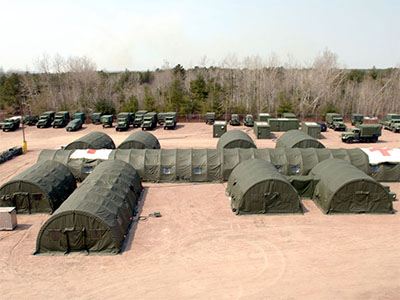
Another major advantage of purchasing military tents is their effectiveness in emergency situations. They can be deployed within minutes, making them essential for disaster response teams, rescue operations, and humanitarian organizations. During floods, earthquakes, and other crises, military tents are widely used as temporary hospitals, relief camps, and storage units for essential goods. Their spacious layouts allow them to serve as command centers or coordination hubs for emergency teams.
Construction companies and agricultural businesses also benefit from military tents because they are practical for long-term outdoor activities. On construction sites, they can be used to create covered work areas, accommodation spaces, equipment storage, or field offices. Farmers often use military tents to protect livestock, store machinery, or create temporary processing areas during peak seasons. Their versatility makes them a smart investment for any sector that requires sturdy and mobile shelter solutions.
Cost-Effective and Long-Lasting Investment
While military tents are designed to meet strict defense standards, they remain cost-effective for commercial buyers. Their durability ensures that users do not need frequent repairs or replacements, reducing long-term expenses. Additionally, many suppliers offer military tents in multiple sizes, allowing buyers to choose a model that fits their operational or budget requirements.
Most tents are also designed for repeated assembly and disassembly, making them perfect for companies that frequently move between project sites. The high-grade materials used in manufacturing ensure the tents remain functional for years, even under continuous outdoor exposure. For those seeking a reliable, reusable, and professional shelter system, military tents offer excellent value for money.
Increasing Demand in Commercial and Civilian Markets
Over the years, the use of military tents has grown far beyond defense forces. Their rugged construction, adaptability, and cost-effectiveness have made them an essential product in global markets. Businesses and individuals appreciate the long-lasting performance these tents deliver, especially in remote or challenging locations.
In regions with extreme weather conditions, military tents provide safer and more comfortable accommodation compared to ordinary canvas tents. NGOs and relief groups frequently purchase them because they allow rapid shelter arrangements for large groups during emergencies. Even homeowners use military tents as backyard shelters, temporary storage solutions, or outdoor party spaces. Their multi-purpose design ensures they remain valuable across numerous industries.
Frequently Asked Questions (FAQs)
1. What makes military tents different from regular camping tents?
Military tents are built with stronger materials such as heavy-duty canvas or PVC, making them more resistant to extreme weather, fire, UV rays, and long-term outdoor use. Unlike regular camping tents, they have reinforced frames, secure anchoring systems, and high-capacity interiors suitable for sleeping quarters, storage, field offices, and emergency use. These features ensure superior durability and reliability for professional applications.
2. How long does a military tent typically last?
A well-maintained military tent can last several years, even with regular field use. Their lifespan depends on factors such as material quality, environmental exposure, and cleaning practices. With proper care—such as keeping the tent dry, avoiding prolonged UV exposure when not in use, and storing it correctly—military tents can outperform standard tents by a significant margin.
3. Are military tents easy to set up?
Yes. Most military tents are engineered for fast and efficient setup, especially during emergency situations. Many models can be installed by a small team within minutes, thanks to user-friendly frames, pre-attached components, and simple anchoring systems. Detailed instructions are usually included, making assembly straightforward even for first-time users.
4. Can military tents be used for events or commercial purposes?
Absolutely. Military tents are widely used for events, construction sites, agricultural activities, outdoor workshops, and temporary warehouses. Their spacious interiors and sturdy structure make them ideal for commercial applications. They offer better weather protection and longer usability than typical event tents, providing excellent value for businesses.
5. Are military tents customizable?
Yes. Many suppliers offer customization options that include sidewalls, windows, partitions, insulation layers, flooring, ventilation systems, and branding. Custom sizing and color options may also be available. This allows the tent to be tailored to specific needs such as accommodation, equipment storage, medical operations, or field offices.